


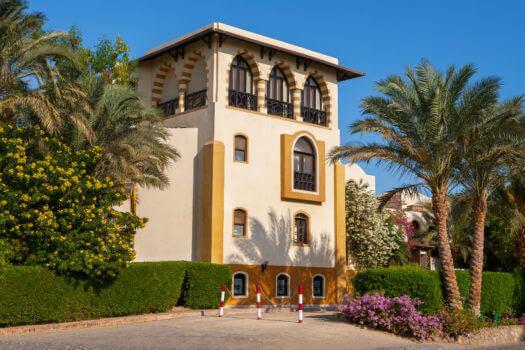



7 Essential Tips for Getting an Expat Mortgage in Dubai
Modified: August 19, 2025
•
5 mins read
Buying property in Dubai has become increasingly popular among expatriates who want to invest in one of the world’s fastest-growing real estate markets. With competitive home loan options, tax-free property ownership, and long-term residency benefits, securing an expat mortgage in Dubai has never been more accessible.
However, the process can be complex if you’re not familiar with UAE mortgage rules. From minimum salary requirements to loan-to-value (LTV) ratios and documentation, it’s important to understand the steps clearly before applying.
Here are 7 essential tips that will help you secure an expat mortgage in Dubai successfully.
1. Understand the Mortgage Eligibility Criteria for Expats
The first step in applying for an expat mortgage in Dubai is understanding whether you qualify. Banks in the UAE have clear eligibility requirements, which usually include:
- –Minimum monthly income: Typically AED 10,000–15,000 depending on the bank.
- –Employment status: Salaried employees usually need to show 6 months of employment history, while self-employed applicants may need 2–3 years of audited financials.
- –Age restrictions: Borrowers must generally be between 21 and 65 years old (at loan maturity).
- –Credit history: A strong credit score in the UAE (and sometimes in your home country) is essential.
Checking eligibility early will save time and prevent unexpected rejections.
2. Know the Loan-to-Value (LTV) Ratios for Expats
The UAE Central Bank has set clear rules on how much you can borrow as an expat. These rules directly affect your deposit requirement:
- –Up to AED 5 million property value: Maximum 80% mortgage for expats (meaning you must put down at least 20% deposit).
- –Above AED 5 million: Maximum 70% mortgage.
- –Off-plan properties: Maximum 50% mortgage.
This means if you’re buying a property worth AED 1.5 million, you will need to contribute a minimum deposit of AED 300,000 as an expat buyer.
3. Compare Mortgage Types: Fixed vs. Variable Rates
When applying for an expat mortgage in Dubai, you will typically have the choice between:
- –Fixed-rate mortgages: The interest rate is locked in for 1–5 years, giving you stability in monthly repayments.
- –Variable-rate mortgages: The interest rate fluctuates based on the Emirates Interbank Offered Rate (EIBOR), which means payments may increase or decrease.
Many expats start with a fixed rate for security and later switch to a variable rate if they expect market rates to drop.
4. Prepare the Required Documentation in Advance
Banks in Dubai require extensive paperwork for mortgage approval. Having these documents ready will make the process smoother:
- -Passport and valid UAE residence visa
- -Emirates ID
- -Proof of income (salary certificate, pay slips, or audited accounts for business owners)
- -6 months of personal bank statements
- -Proof of existing liabilities (if any loans or credit cards are active)
- -Sales and purchase agreement (once the property is chosen)
If you are transferring funds from overseas, you may also need to show international bank statements for source of funds.
5. Factor in All the Additional Costs
Beyond the property price and mortgage deposit, expats must account for additional property-buying costs in Dubai, which usually range from 6–7% of the property value. These include:
| Cost Item | Approximate Amount |
| Dubai Land Department (DLD) Fee | 4% of property price |
| Mortgage Registration Fee | 0.25% of loan amount + AED 290 admin fee |
| Property Valuation Fee | AED 2,500 – AED 3,500 |
| Trustee Registration Fee | AED 2,000 – AED 4,000 |
| Real Estate Agent Commission | Around 2% of property value |
Factoring these costs into your budget ensures there are no last-minute surprises.
6. Consider Pre-Approval Before House Hunting
Getting mortgage pre-approval is one of the smartest moves for expats buying property in Dubai. Pre-approval means the bank has assessed your financials and confirmed the loan amount they are willing to offer you.
Benefits of pre-approval include:
- -You know exactly how much you can afford.
- -Sellers and agents take you more seriously.
- -You can close deals faster.
Pre-approval typically lasts 60–90 days, giving you ample time to search for the right property.
7. Work with a Mortgage Broker for the Best Deals
Navigating the UAE mortgage market can be overwhelming, especially for expats who are unfamiliar with the local banking system. That’s why many buyers choose to work with a mortgage broker in Dubai.
A mortgage broker can:
- -Compare offers from multiple banks to secure the best interest rate.
- -Negotiate terms on your behalf.
- -Simplify the documentation process.
- -Save you time and money by avoiding hidden fees.
Since every expat’s situation is different (income source, nationality, financial commitments), professional advice can make a big difference in securing favorable terms.
Securing an expat mortgage in Dubai is a straightforward process if you understand the rules and prepare in advance. By meeting the eligibility criteria, budgeting for deposits and fees, and choosing the right mortgage type, expats can confidently take their first steps toward property ownership in Dubai.
Whether you’re buying for personal use or as an investment, Dubai’s property market continues to offer strong returns and long-term stability. With the right mortgage strategy and professional guidance, your dream of owning a home in Dubai as an expat can become a reality.
Fill in our contact form to have a member of our team get back to you or, for a no-obligation chat right now, why not just give us a call?
Related Articles

Guides & Advice
9 Newly-Listed Best Investment Properties for Sale in Dubai

Guides & Advice